
This is an excellent subject for a "how-to" manual. Because it transforms reading from a passive activity into a creative, interactive one, annotating has become a huge craze on social media (particularly "BookTok" and "Bookstagram").
Here is a structured outline you can use for The Ultimate Guide to Annotating Your Books.
The Ultimate Guide to Annotating Your Books: Turn Your Reading into a Conversation
Introduction
- What is annotation? Describe how it's a means to "talk back" to the author and maintain your sentiments about a tale, and that it's more than simply academics.
- The "Taboo" of Writing in Books: Recognize the "purists" who detest writing in books, but contend that a beloved book with annotations is a priceless relic.
1. The Essential Annotating Toolkit
Create a list of tools for your readers to shop for:
- Transparent Sticky Notes: Perfect for those who don’t want to mark the page permanently.
- Aesthetic Tabs/Flags: Used for color-coding themes or favorite quotes.
- Highlighters (No-Bleed): Mention brands like Zebra Mildliners that don't soak through thin paper.
- Fine-Liner Pens: For writing small, legible notes in the margins.
2. Developing Your "Key" (The Color-Code System)
Suggest a few ways readers can organize their tabs.
Example Color Key:
- Yellow: Beautiful prose or favorite quotes.
- Blue: Sad moments/makes me cry.
- Pink: Romance/spicy scenes/chemistry.
- Green: Important plot points or world-building.
- Purple: Theories and "I called it!" moments.
3. Different Methods of Annotating
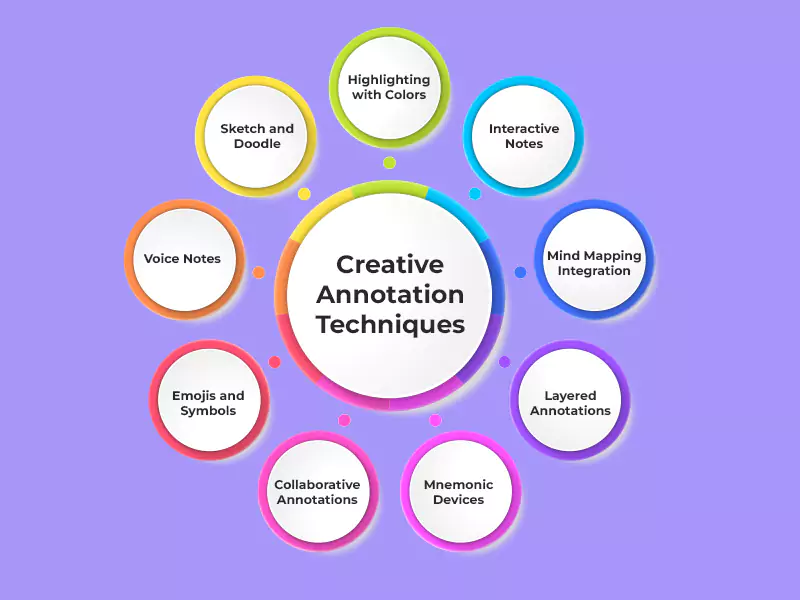
Not everyone wants to write a dissertation in the margins. Break down the styles:
- The Minimalist: Just tabs and the occasional underlined sentence.
- The Conversationalist: Writing reactions like "NO WAY!" or "He’s so red flag" in the margins.
- The Analyst: Circling recurring symbols, noting foreshadowing, and tracking character growth.
- The Indexer: Using the blank pages at the front/back of the book to create a "table of contents" for your favorite notes.
4. Tips for Beginners
- Don't overthink it: You don't have to mark every page.
- Start with a reread: It’s easier to annotate a book you already know and love.
- Use a pencil first: If you’re nervous about permanence, lead is your friend.
5. Why You Should Try It
- Better Retention: You’ll remember the plot and characters much better.
- Future Nostalgia: Imagine picking up this book in 10 years and seeing what your 2026-self was thinking.
- Community: Annotated books make for great photos and discussion starters.
Suggested Visuals for this Post:
- A "flat lay" photo of a book with colorful tabs sticking out.
- A close-up of a "Key" written on a sticky note.
- A "Before and After" shot of a clean book vs. an annotated one.