
You are engaging in a discussion that dates back to the original Kindle when you create this blog post. With the development of superior audiobooks and improved E-ink technology in 2026, the "best" way to read is a hot topic.
Here is a breakdown you can use to structure this "Battle of the Formats" post.
Physical Books: The Sensory Classic
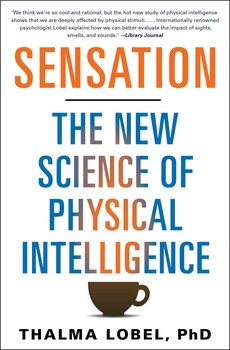
There is a reason physical book sales remain strong even in a digital world. It’s about the experience.
- The Pros: No screen fatigue, no batteries to charge, and the ability to easily "spatial map" the story (remembering exactly where on the page a certain quote was).1 They also make for the best gifts and home decor.2
- The Cons: Heavy for travel, requires physical storage space, and can be difficult to read in low light without accessories.3
- Best For: Deep, focused reading sessions, weekend mornings, and your absolute favorite "forever" stories.
E-readers: The Traveler’s Library
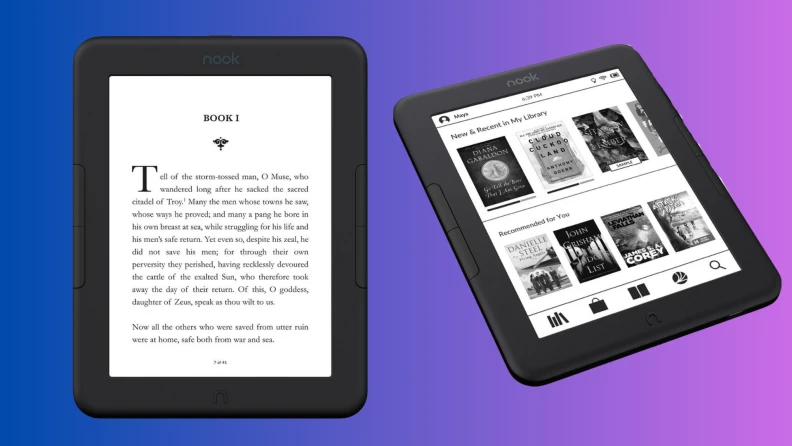
Devices like Kindles and Boox have evolved. By 2026, many feature faster refresh rates and warm-light filters that mimic paper perfectly.
- The Pros: You can carry 5,000 books in your pocket. Instant gratification—you can buy a book at 2 AM and start reading in seconds.4 Features like built-in dictionaries and font adjustments are game-changers for accessibility.5
- The Cons: "Digital ownership" is tricky (you don't technically own the file forever), and there's a lack of tactile satisfaction.
- Best For: Commuting, vacations, and reading "guilty pleasures" you might not want on your shelf.
Audiobooks: The Multitasker’s Dream
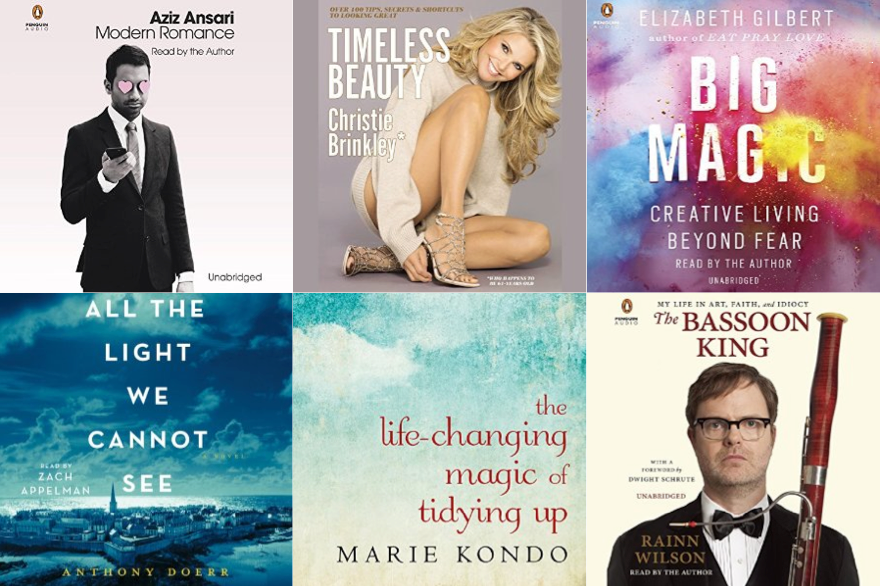
The fastest-growing segment of the industry. Audiobooks have moved from "not really reading" to a respected, immersive art form.
- The Pros: You can "read" while driving, cooking, or at the gym. A great narrator can bring characters to life with accents and emotional depth that your internal voice might miss.6
- The Cons: Your mind can wander more easily than when looking at a page. It’s much harder to "flip back" to check a detail you missed.
- Best For: Busy schedules, non-fiction (memoirs read by the author are a treat!), and long car rides.
The 2026 Verdict: Which Wins?
The "winner" depends on your lifestyle.
| Feature | Physical | E-reader | Audiobook |
| Portability | ❌ Low | ✅ High | ✅ Highest |
| Eye Comfort | ✅ Best | 🟡 Good (E-ink) | ✅ Best (No eyes) |
| Cost (per book) | 🟡 High | ✅ Low/Free | 🟡 Medium (Sub.) |
| Retention | ✅ High | 🟡 Medium | 🟡 Lower |
Engaging Your Readers
At the end of your post, try a poll or a question to get comments:
- "Are you a 'Hybrid Reader' who uses all three? Or do you stay loyal to the smell of paper?"
- "What is the one book you HAVE to own a physical copy of?"